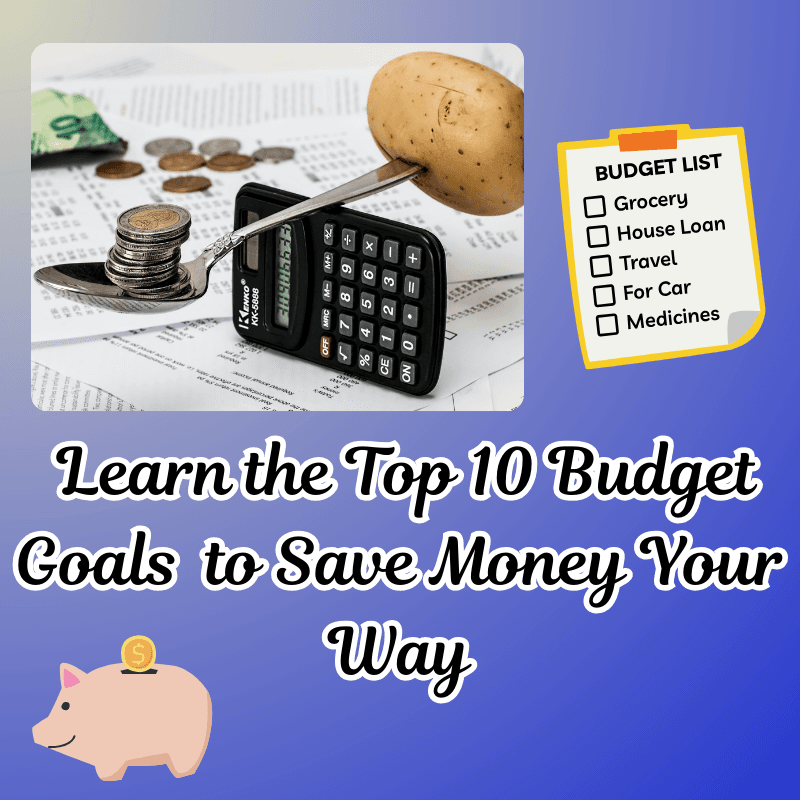
Even if you earn a modest paycheck or manage multiple income streams, learning how to budget and set budget goals is a foundation of financial stability. Budgeting is not about restriction—it’s about direction. According to Rebecca Stropoli’s article in the Chicago Booth Review, nearly two-thirds of Americans already practice some form of budgeting, whether formally or informally. That means you’re not alone in trying to take control of your finances.
Despite many Americans recognizing the value of budgeting, only about 22% of people who create a budget actually stick to it over time — meaning follow-through is a major challenge for most.
In this guide, we’ll explore the top 10 budgeting goals to help you save more, waste less, and prepare for the unexpected. You’ll also learn how to implement the 50/30/20 rule—allocating 50% of your income for needs, 30% for wants, and 20% for savings or debt repayment—so you can create balanced and realistic budget goals that fit your lifestyle.
- 1. Set Clear Financial Goals
- 2. Track Every Expense
- 3. Apply the 50/30/20 Rule
- 4. Regulate Subscription Services for Budget Goals
- 5. Cut Back on Eating Out
- 6. Manage Entertainment Costs for Budget Goals
- 7. Budget for Vacations the Smart Way
- 8. Build and Maintain a Savings Reserve
- 9. Tackle Debt Strategically
- 10. Review and Adjust Your Budget Monthly
- Conclusion: Building a Sustainable Financial Future
1. Set Clear Financial Goals

Before building your budget, know your “why.” Are you saving for a down payment, paying off student loans, or building an emergency fund?
According to Starr Tarver of Millennia Atlantic University (MAU), the first step to successful budgeting is goal setting. Define both short-term budget goals (e.g., saving $500 in three months) and long-term goals (e.g., becoming debt-free within three years).
Once your goals are defined, create action steps for each. For example:
- Automate a portion of your paycheck into a savings account.
- Limit impulse spending by setting “cool-off” periods before large purchases.
Purpose: Clarity turns budgeting from a chore into a strategy for success.
2. Track Every Expense

You can’t fix what you can’t measure. Tracking your expenses reveals hidden spending patterns—especially those small costs that quietly drain your account.
Start by collecting bank statements, receipts, and pay stubs for at least one month. Use an app or spreadsheet to categorize spending into needs, wants, and savings. Tarver emphasizes this step as foundational for accurate budgeting.
In an article by Sarah Agostino, it is mentioned that more than half of consumers (54%) underestimate their monthly subscription spending by at least $100, with many unaware of how much these small automatic charges add up each month — often draining hundreds of dollars a year if left unchecked.
For example, if you notice you’re spending $100 or more monthly on subscriptions you barely use, cancel or downgrade them. Many people underestimate recurring digital expenses like streaming services, cloud storage, or memberships.
Purpose: Expense tracking builds self-awareness, giving you a full picture of where your money truly goes—and where it should go instead.
3. Apply the 50/30/20 Rule
A practical framework that simplifies money management is the 50/30/20 rule:
- 50% for needs: rent, utilities, groceries, insurance.
- 30% for wants: dining out, entertainment, shopping.
- 20% for savings or debt repayment.
| Monthly Earnings | Needs | Wants | Savings |
| $2,800 | $1,400 | $840 | $560 |
| $3,850 | $1,925 | $1,155 | $770 |
This model helps ensure that essential expenses never exceed half of your income, leaving space for enjoyment and responsible saving.
If your current income doesn’t allow a perfect split, start small—aim for 10% savings and increase gradually. Adjustments can always be made based on financial growth or lifestyle changes.
Pair this with digital tools or banking apps that automatically categorize transactions. Over time, this structure helps reduce overspending and prioritize savings, giving you a clearer sense of control.
Purpose: The 50/30/20 rule offers balance—ensuring needs are met, wants are enjoyed, and future goals are protected.
4. Regulate Subscription Services for Budget Goals

Subscription creep is one of the most common budget killers. Between streaming platforms, fitness apps, and software tools, recurring charges can quietly add up.
Review your subscriptions quarterly. Ask yourself:
- “Do I use this enough to justify the cost?”
- “Can I share or downgrade to a cheaper plan?”
| Entertainment Streaming | Food Services | Physical Goods & Box Services | |
| Premium Plans | ($35+/month) | ($100+/month) | ($50+/month) |
| Regular Plan | ($10+/month) | ($10+/month) | ($15 – $30/month) |
Cancel duplicates and underused services. Instead, consider rotating subscriptions—use one streaming service per month instead of three simultaneously.
Purpose: Regulating subscriptions saves money instantly and builds conscious spending habits that align with your financial priorities.
5. Cut Back on Eating Out
Eating out feels convenient, but it’s often one of the biggest drains on disposable income. Preparing home-cooked meals can save hundreds monthly.
To apply this budgeting goal:
- Plan weekly grocery trips with a spending cap.
- Prepare meals in bulk to save time and reduce temptation to order takeout.
- Allow one “dining out” night per week to maintain balance.
Tracking this category often reveals just how much can be redirected toward savings or debt repayment.
Purpose: Cooking more at home helps you stay within your 30% wants category and increases your 20% savings contribution.
6. Manage Entertainment Costs for Budget Goals
Streaming, concerts, video games, or hobbies can quickly consume a budget if left unchecked. Instead of cutting entertainment entirely, plan it intentionally.
Set a monthly entertainment limit—perhaps $50 or 5% of your monthly income. Seek free or low-cost alternatives: public events, community classes, or nature outings.
The Chicago Booth Review highlights that your budget goals isn’t about deprivation but mindful distribution. When you know your limits, enjoyment increases because guilt and financial anxiety decrease.
Purpose: Mindful entertainment spending preserves fun while ensuring long-term goals stay on track.
7. Budget for Vacations the Smart Way
Vacations are important for mental health, but they shouldn’t derail your finances.
According to one statistic, it was found that more than one-third (36%) of Americans planning summer travel say they’re willing to take on debt to pay for their trip, instead of saving up in advance — highlighting how easily vacations can hurt your financial goals if they’re not budgeted for.
Use a “vacation sinking fund”—set aside a fixed amount monthly until you reach your travel goal. For example, saving $100/month builds $1,200 yearly for trips without using credit cards.
Book early, use travel rewards, and avoid peak-season prices. By planning, you enjoy rest without future debt stress.
Purpose: Budgeting for vacations ensures luxury stays enjoyable—and guilt-free—because it’s pre-funded within your 30% “wants” allocation.
8. Build and Maintain a Savings Reserve
Financial experts universally stress the importance of an emergency fund. Life is unpredictable—medical bills, car repairs, or job loss can occur anytime.
According to Starr Tarver (MAU), building an emergency fund is a core budgeting goal. Aim for three to six months of essential expenses. Start small if needed—saving even $20 per paycheck builds momentum.
Keep this fund in a separate, easily accessible high-yield savings account—not your checking account—to avoid temptation.
This reserve acts as a financial cushion, reducing reliance on credit cards or loans. It also creates psychological relief, knowing you can handle life’s curveballs without collapsing your entire budget.
Purpose: Emergency funds protect your progress and prevent short-term crises from turning into long-term debt.
9. Tackle Debt Strategically
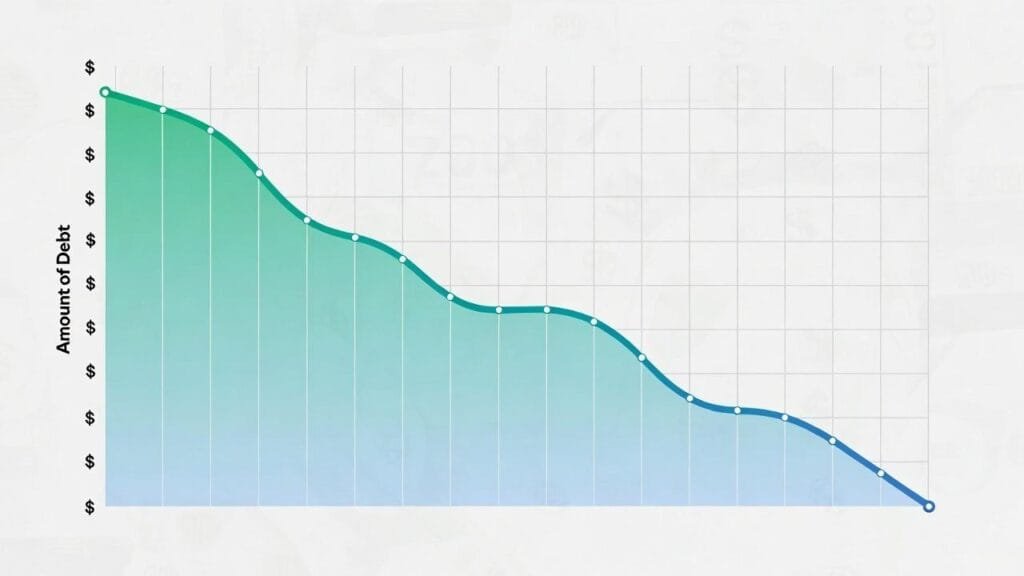
Debt repayment is essential to financial freedom. Use one of two proven methods:
- Snowball method: Pay smallest debts first to build motivation.
- Avalanche method: Pay highest-interest debts first to minimize total cost.
Integrate debt repayment into your 20% savings/debt allocation from the 50/30/20 framework. Automate payments to avoid missed deadlines and late fees.
Once debts are paid off, redirect those same amounts toward savings or investments.
Purpose: Strategic debt management frees income for future opportunities, helping you transition from financial survival to growth.
10. Review and Adjust Your Budget Monthly
Budgeting isn’t a one-time task—it’s a continuous process. As Rebecca Stropoli notes in the Chicago Booth Review, budgeting remains common across all income levels because it adapts to life changes.
Review your budget monthly. Compare actual spending to planned limits, then refine weak areas. Perhaps your grocery budget is fine, but entertainment is overreaching. Adjust accordingly.
Regular reviews ensure your budget grows with your life, helping you maintain discipline without feeling constrained.
Purpose: Budget reviews reinforce accountability and promote consistency—essential for long-term success.
Conclusion: Building a Sustainable Financial Future
Budgeting is a lifelong skill, not a temporary fix. Whether you’re just starting or looking to refine your approach, setting realistic goals, tracking expenses, and following the 50/30/20 rule can transform how you view money.
Remember, budgeting success isn’t about perfection—it’s about consistency. By identifying unnecessary spending (like subscriptions or frequent dining out) and prioritizing savings, you’re actively shaping your financial destiny.
Stay committed, make monthly adjustments, and your budget will not only save you money—it will give you freedom, stability, and peace of mind.
Blog Author,
Michael
If you find this article informative? Share on your preferred Social Media and remember to check out my other blog articles.
If you’ve ever wanted to create stunning designs without having a background in graphic design. Canva.com is the perfect starting point. This all-in-one, browser-based design platform is tailor-made for beginners. Offering a seamless and intuitive experience that removes the complexity of traditional design software. As of 2025, Canva boasts more than 220 million monthly active…
Continue Reading Create Stunning Designs with Canva | Canva Templates